Data center websites often offer the service of ‘Server Placement’ or Colocation. In this article, we’ll explore the key advantages and disadvantages of Colocation, which involves hosting servers in external data centers. By the end of this article, you’ll have a comprehensive understanding of whether Colocation is the right choice for your business.
What is Colocation
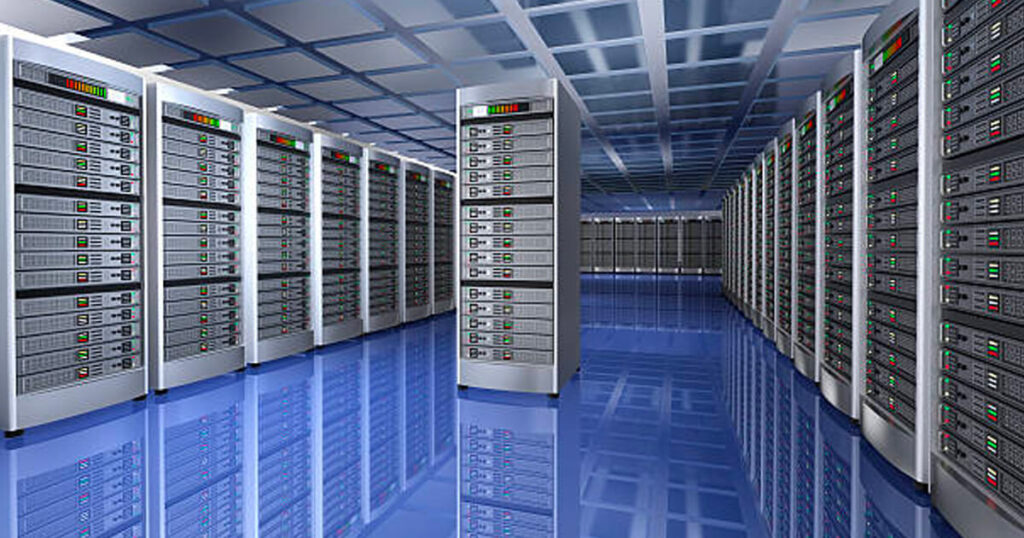
Colocation represents an innovative practice of housing servers and equipment within a provider’s data center. This approach allows companies to forego the expenses associated with maintaining their own server room while gaining access to the data center’s infrastructure, including a stable power supply, high-speed communication channels, and optimal climatic conditions.
Colocation offers the convenience of server and equipment management, all while retaining full control over your IT infrastructure. Customers have the freedom to configure their equipment, choose its specifications and manufacturer, and install the necessary software.
This service is particularly valued by companies with substantial web traffic and extensive IT resources, as well as those prioritizing the reliability and fault tolerance of their infrastructure. Colocation stands out as a flexible and cost-effective solution, making it highly popular among enterprises seeking to streamline their IT resource management and maintain uninterrupted system operations.

Who is Colocation for?
Colocation service proves to be an excellent solution for companies with substantial IT resources and high-capacity requirements. It particularly appeals to enterprises whose projects surpass their in-house capabilities and demand greater resources and bandwidth.
Businesses dealing with high traffic and a persistent need for reliability discover an ideal solution in Colocation. This service also suits those seeking to circumvent the expenses associated with constructing and maintaining their dedicated server rooms. Furthermore, Colocation’s capacity for infrastructure scalability positions it as the optimal choice for companies in a growth phase.
Organizations that prioritize security and reliability find a dependable partner in Colocation. It grants the opportunity to focus on core business operations rather than managing IT infrastructure, rendering it the preferred solution for numerous companies.
Benefits of Colocation
Clients who opt to host their servers in external data centers receive several advantages, in addition to the dedicated units and resources provided by the data center itself:
IT Budget Savings: Renting multiple units in a data center is often more cost-effective than owning your server room.
Tailored Hardware Configuration: You have the freedom to define the configuration, choose the manufacturer, and install your preferred software on your hardware. This simplifies administration and reduces costs.
Effortless Scalability: Colocation allows you to swiftly connect a server to data center resources, saving both time and resources.
Fault Tolerance: Multi-level redundancy of communication channels and power supply ensure continuous equipment operation.
Enhanced Security: Data centers provide equipment security through comprehensive measures such as video surveillance and access control systems.
24/7 Support: Round-the-clock monitoring and hardware support make Colocation a reliable choice.
Conservation of IT Resources: The remote hands service eliminates the need to hire additional IT professionals, saving you costs.
Saving IT Resources
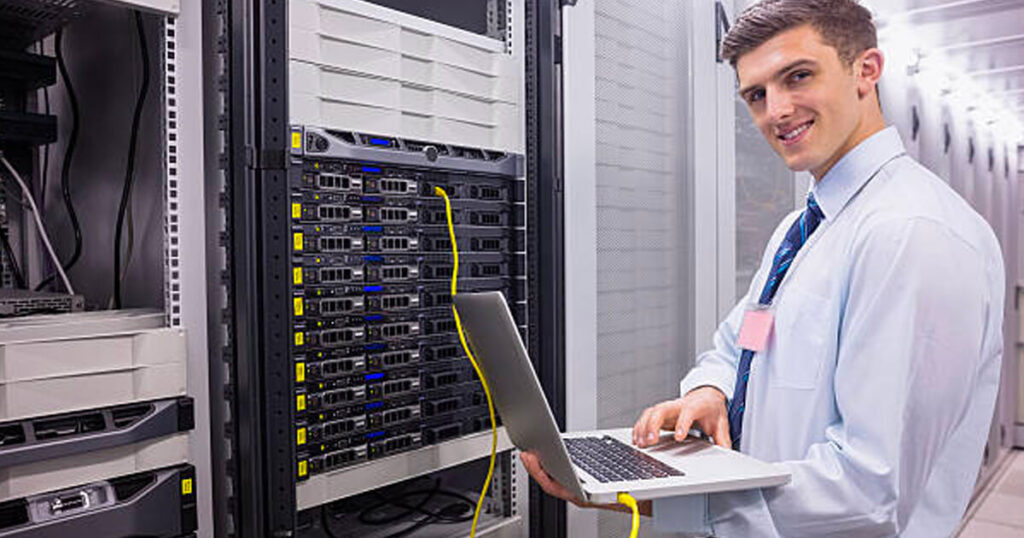
Data center services encompass not only equipment placement but also comprehensive support services. Data center staff are prepared to undertake a range of tasks, from routine technical operations like server reboots and disk installations to the configuration, maintenance, and repair of equipment, all at the client’s request.
“The Remote Hands” service offers clients the opportunity to reduce expenses related to hiring additional IT professionals or optimize the workload of their existing staff. Companies can entrust the maintenance of their IT infrastructure to experienced data center professionals, enabling them to concentrate on essential business tasks and alleviating the demands on their internal IT personnel.
The broad spectrum of offerings from various data centers enables clients to select an infrastructure that aligns perfectly with their current requirements and financial resources.
Disadvantages of Collocation
Among the disadvantages of Colocation are the following:
Access limitations: Depending on the data center’s policy, equipment access may only be available during business hours or regulated by specific timeframes, which can restrict server management flexibility.
Unmanaged risks: When hosting equipment in a data center, the client entrusts the provider with equipment safety. This reliance can introduce risks related to potential intentional or unintentional equipment damage.
Equipment obsolescence: Unlike cloud solutions, where equipment updates are the provider’s responsibility, in Colocation, clients are responsible for upgrading and replacing outdated equipment.
Relatively high costs: In addition to the monthly fee for Colocation services, customers also incur costs for equipment acquisition, maintenance, repair, and replacement. This might not be a cost-effective solution for small projects or companies.
In general, the Colocation service is a really good alternative to own server or data center maintenance. However, it can have different value for different companies depending on their specific needs and business model.
Frequently Asked Questions:
- Cost-Efficiency: Colocation often costs less than maintaining an in-house server room.
- Customization: Clients can configure and control their own hardware and software.
- Scalability: It offers easy expansion options to accommodate growing IT needs.
- Limited Access: Data centers may restrict access to equipment, impacting management flexibility.
- Risk Factors: Clients rely on providers for equipment safety, which may pose risks.
- Equipment Management: Responsibility for equipment updates and maintenance falls on the client.
It depends: Small businesses should carefully consider costs and equipment needs. Colocation can be cost-effective for some, but cloud solutions might better suit others.
How useful was this post?
Click on a star to rate it!
Average rating 5 / 5. Vote count: 1
No votes so far! Be the first to rate this post.
We are sorry that this post was not useful for you!
Let us improve this post!
Tell us how we can improve this post?